Public administration
Agentic AI for the Public Administration
Sovereign infrastructure to make agentic AI work for you

The U.S. government directive of June 12, 2026 to suspend access to Anthropic's Fable 5 and Mythos 5 models was a historic decision. It set a precedent and exposed two points that public decision makers cannot ignore:
- 01
Frontier models operate at a different level from the models in a free consumer chat plan. Ask people who use them every day for critical work and they will tell you that tasks which once took weeks can now be completed in days or hours.
- 02
A foreign government can cut access, without warning, to a model that has become part of your national critical infrastructure if you do not control that model.
Agentic AI is the new paradigm for getting real work done
Most people have experienced AI through a minimal chat interface, often on free plans in ChatGPT, Claude, Gemini, or Copilot. They mainly use these tools to summarize paragraphs and answer emails. That is already progress, but the gap between free consumer models optimized for engagement and paid frontier models capable of real, complex work from start to finish has grown wider and wider.
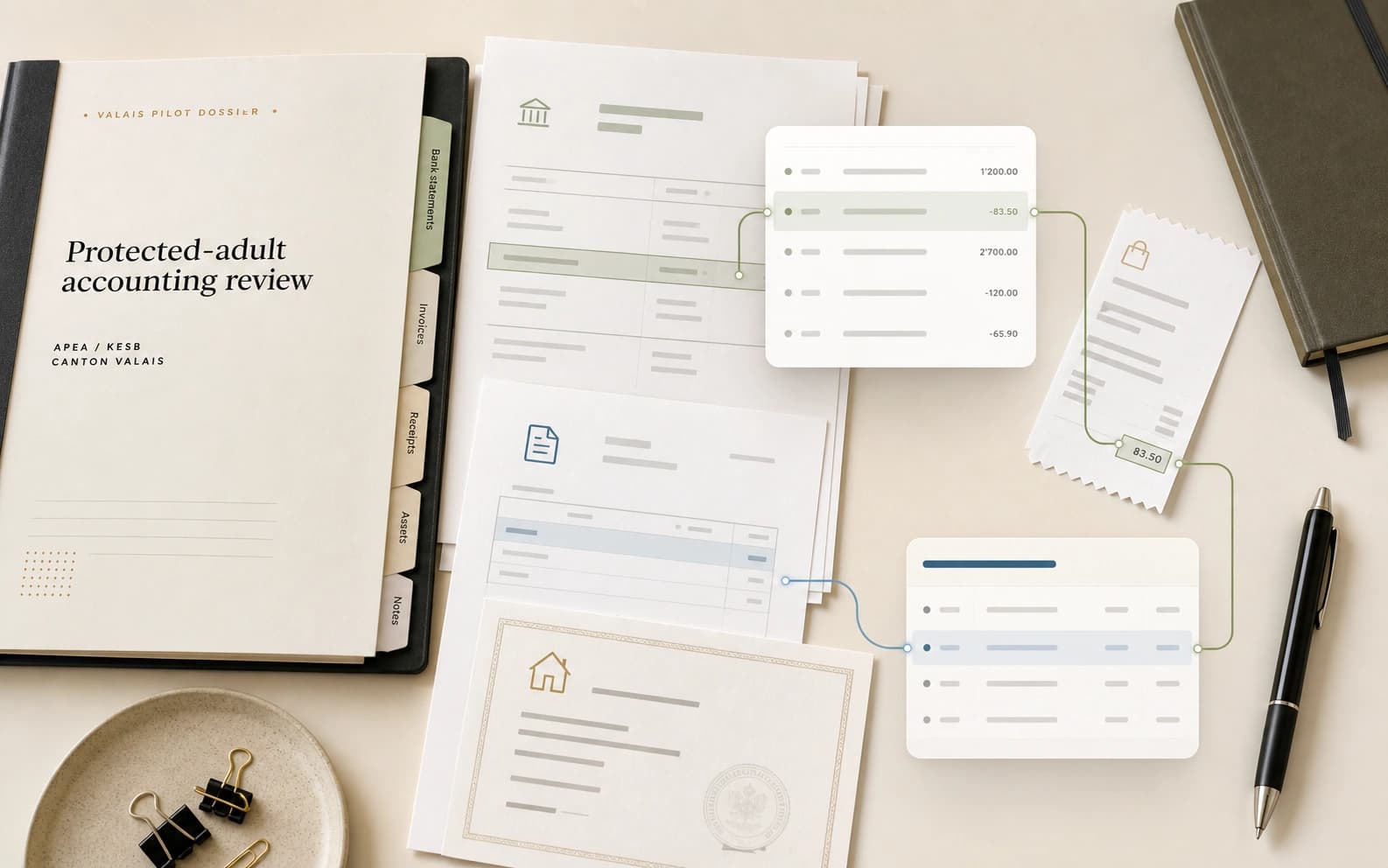
Knowledge work that requires analyzing and connecting data from different sources or legacy systems is a natural target for these capabilities, whatever its complexity or variety. The term "agentic" describes the growing ability of the latest models to take a user request, build a sequence of autonomous calls to the right tools, accumulate context, cross-reference information, and decide what to do next until the task is complete.
In a few words, agentic means the model can plan, orchestrate, and execute while systematically reviewing its work and correcting its mistakes. Not all models are equal. Frontier models are particularly robust across edge cases, retain the thread of long tasks, and pay close attention to details and ambiguities.
One message should be clear. If you create the right setup for AI to do your work, the resulting advantage becomes direct value for your organization through savings, additional capacity, or revenue. This is more consequential than moving from paper back-office documents to a 2015-era digital system that merely stores them. The more carefully you analyze organization-specific workflows when designing the AI setup, the more value it can create.
Integrating an AI model properly into your current systems creates a level of delegation that was previously unavailable for critical tasks handled largely by people. This is not about replacing people. It is about moving them higher in the decision process. Instead of forcing a person into several routine points inside a workflow, the system should bring that person in for the critical cases it identifies, such as unexpected ambiguity or a situation covered by an organizational rule. Every additional human handoff also adds internal communication and delay. One critical employee being on holiday or ill can hold the entire workflow until they return. An AI system compounds both intelligence and context so the organization can keep moving and give that time back to its people.
What enables this autonomy while respecting the organization's safety practices? Robust models are only one part of the answer. The AI system also needs strong contextual awareness.
Foreign proprietary models cannot guarantee secure, uninterrupted access.
Before AI, sovereignty was often less a necessity than a statement of national independence. With AI, a country that does not control the models behind critical workflows can lose access to those capabilities tomorrow. Recent events show why. As model capabilities make the organizations using them far more productive, governments are beginning to ask whether that power should remain available to everyone, be restricted outside their borders, or be limited to a selected group of trusted entities in order to preserve a competitive advantage.
Proprietary models are not the only models capable of taking over much of the entangled back-office work that people experience as a constant burden. Leading open-weight families such as DeepSeek, Kimi, Qwen, and GLM provide a route to greater autonomy and control over data retention.
The advantage of open-weight models extends beyond owning and running the model itself. It includes the full data and AI stack. An administration can deploy models in sovereign cloud infrastructure, operate its own GPUs, and enforce zero-data-retention policies for sensitive and regulated work. That makes it easier to establish the security boundaries the organization actually requires.
But what enables a general model to work really well and reliably on your specific tasks?
Back-office work is ambiguous and multifaceted, but complexity also comes from how messy the real world is. Critical knowledge sometimes lives only in employees' heads and has never been written down or shared across the organization.
A reliable AI system therefore needs a third component alongside models and infrastructure. It needs memory and context built around the business logic of your sector, so the model can use your team's internal knowledge and compound it over time in your favor.
A well-designed AI stack lets your team explain in natural language how workflows should be performed, including ambiguities and critical points that require review before the model encounters them. Teams can create shareable "skills": flexible files with the guidance a model needs to handle tasks and edge cases. Explain it once and the model can retain it, combine it with new data, and make the same knowledge available to other employees when relevant. Internal knowledge gradually becomes part of the system, which removes routine burden and involves people when unexpected or critical cases occur.
Instructing an AI system is not limited to technical specialists. It depends on being able to express what you know, much as you would explain a task to an intelligent colleague who is not involved in your daily work. AI can adapt to your language and level of expertise. You can use precise technical terms or speak informally, and ask the system for context when you need it.
Agentic AI creates transformation by combining rising model capability with organization-specific context and a memory system that improves over time. Public buyers should not accept a low-performing deployment such as Apertus and then conclude that AI itself has failed to deliver. Model quality and robustness across edge cases matter. Artificial Analysis is a useful independent source for comparing both open-weight and proprietary models. Agentic AI should produce tangible results quickly, and a credible vendor should price its work on value so that its incentives remain aligned with the customer organization.
Sources and model comparison
The directive and the model-comparison reference used in this page can be reviewed directly at their primary sources.